

If you’re searching for sources of scholarships in Jamaica (and across the Caribbean), you’ll get the best results when you stop thinking only about “a scholarship list” and start thinking about “a scholarship system.” In the region, funding is typically spread across five big pipelines: government and public agencies, universities/colleges, regional and international organizations, private-sector foundations and employers, and community/faith/NGO partners.
Below is a practical, Jamaica-first guide that also covers the wider Caribbean—plus proven ways to find and apply faster using the same sources scholarship winners use every year.
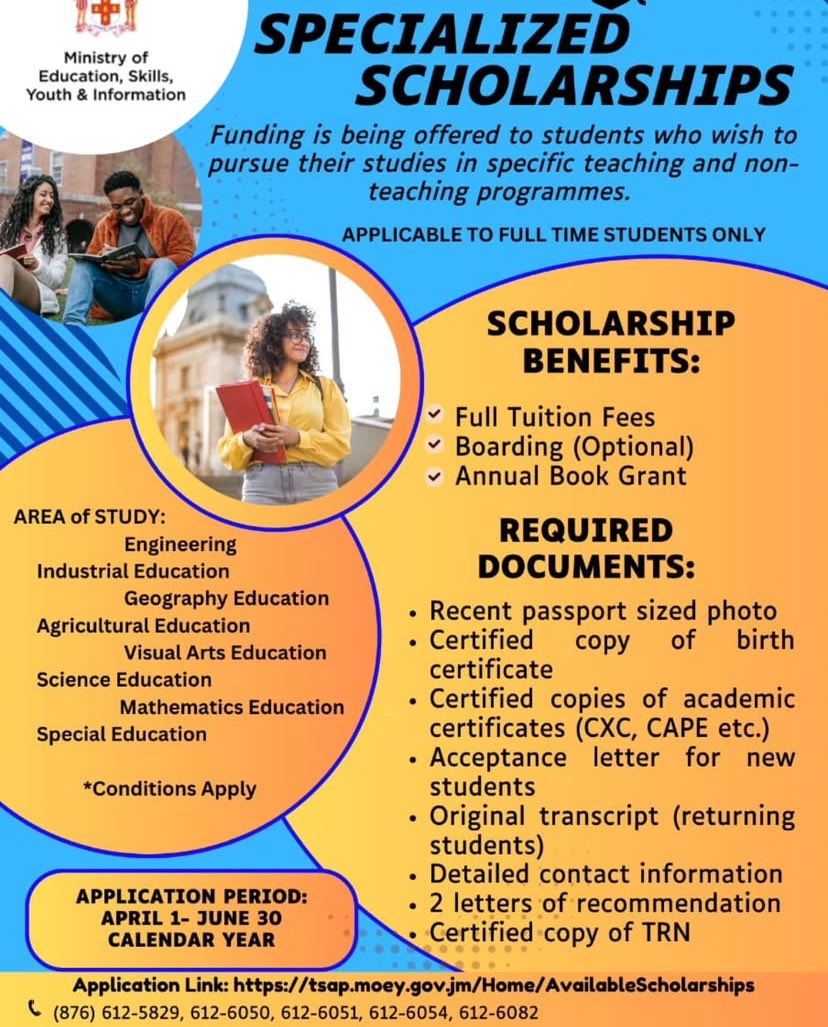
1) Government and public-agency programmes (Jamaica’s most reliable sources of scholarships)
For many students, the most dependable sources of scholarships are linked to national development priorities—teacher training, STEM, health, and economic support.
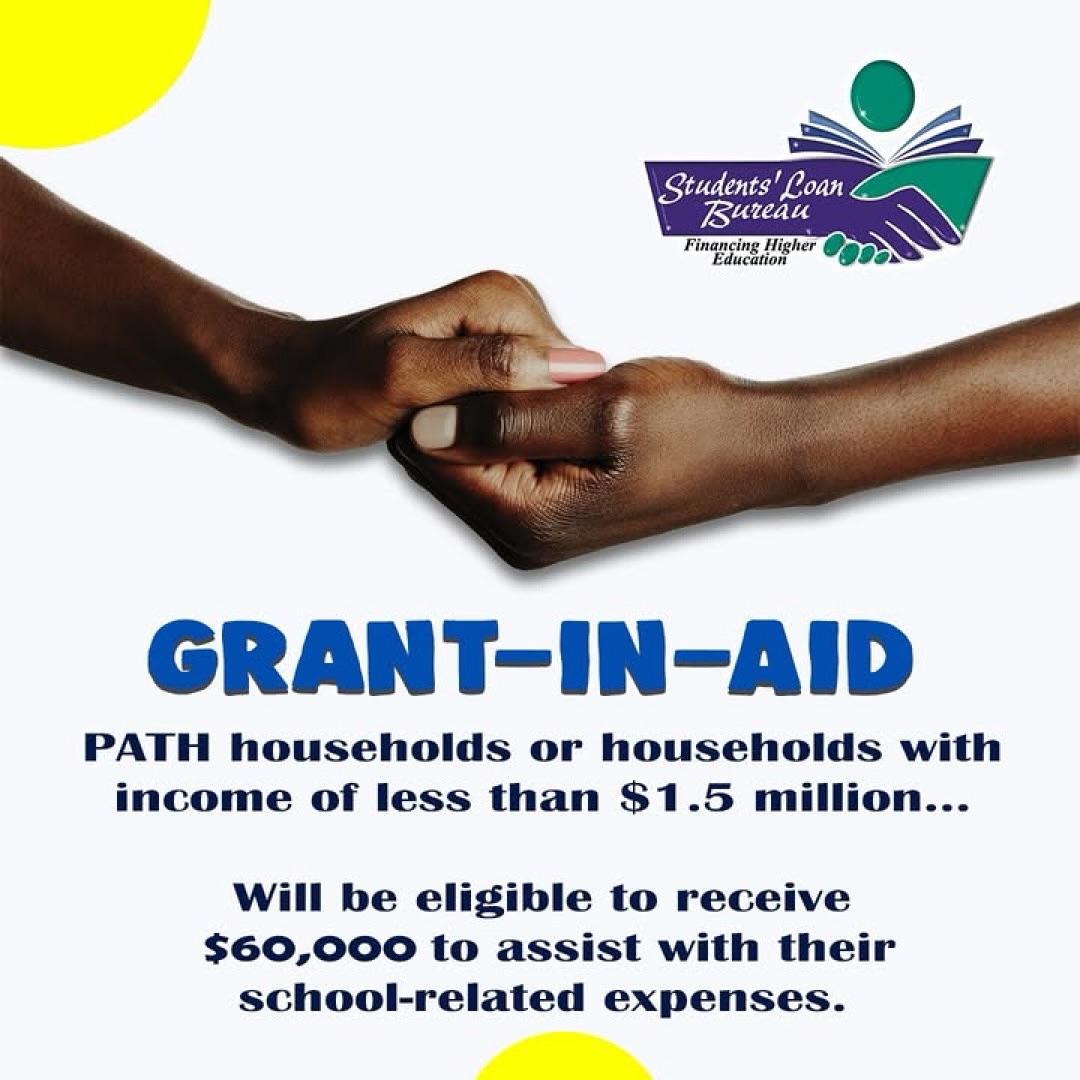
PATH-linked education support (MLSS). Jamaica’s Programme of Advancement Through Health and Education (PATH) includes education benefits and scholarship support tied to household eligibility. If you were a PATH beneficiary in secondary school, this is a pipeline worth checking early because eligibility can be specific. Ministry of Labour and Social Security
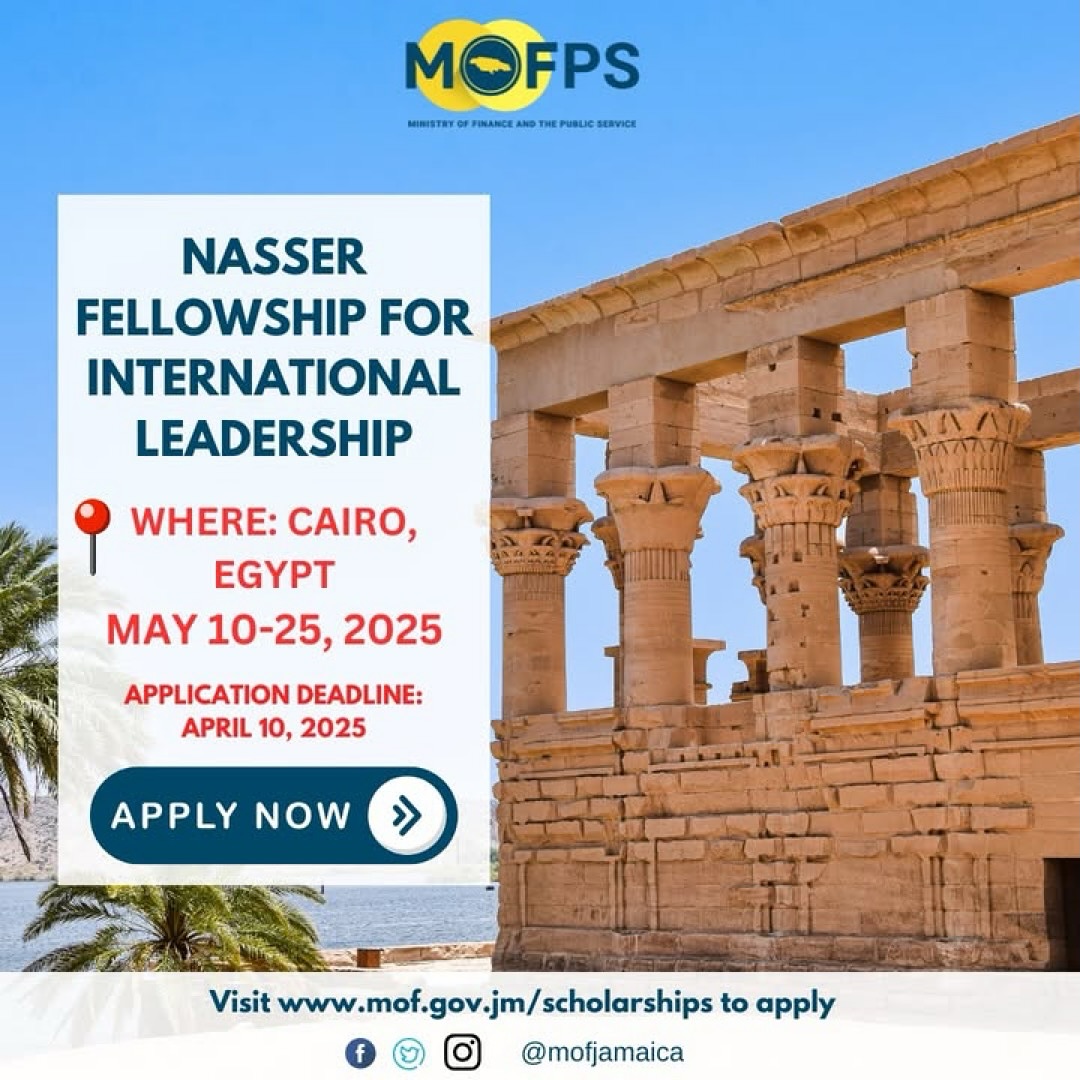
Ministry-backed scholarships (e.g., STEM/teacher pipeline). Jamaica’s Ministry of Finance and the Public Service has promoted a STEM scholarship programme aimed at supporting Jamaicans from low-income households, delivered through partnerships (e.g., with a student loan bureau and local institutions). Ministry of Finance & Public Service
Why this source matters: Public programmes often have clearer eligibility rules, predictable cycles, and bigger applicant pools—meaning your “edge” is submitting correct documents early and matching the criteria tightly.
How to use this source well
- Track ministry and agency pages monthly (deadlines can shift).
- Prepare a single “master folder” of documents: TRN, acceptance letter, transcripts, references, and a clean one-page CV.
2) CHASE Fund (one of Jamaica’s best-known scholarship sources)
The Culture, Health, Arts, Sports and Education (CHASE) Fund is one of the most recognized sources of scholarships in Jamaica. CHASE scholarships are commonly tied to priority sectors (not “any major”), and their policies and cycles are publicly posted. CHASE Fund
Key detail: CHASE often supports students at specific stages (for example, final year for many programmes, with notable exceptions depending on programme type), so it’s important to read the current criteria before planning your timeline. CHASE Fund
How to improve your chances with CHASE-style awards
- Make your personal statement “sector-aligned” (health impact, education outcomes, cultural contribution).
- Add proof: volunteer letters, service logs, and practical outcomes (projects, tutoring, community work).
3) University and college scholarships (UWI is a major regional hub)
Across the Caribbean, institutional scholarships and bursaries are often the most overlooked sources of scholarships—because students assume they’re automatic or “only for top GPA.” In reality, many awards are donor-funded, faculty-specific, or need-based.
UWI (Mona and regional). UWI’s Office of Student Financing publishes scholarship and bursary listings and uses an application portal process for awards. Mona Campus
UWI also has regional endowment-related scholarships/bursaries designed to attract high achievers across its resident campuses (Cave Hill, Mona, St. Augustine). Mona Campus
Regional + programme-linked scholarships. Some scholarships are tied to specific programmes, years of study, or donor criteria (e.g., faculty/department awards). Mona Campus
How to win institutional awards
- Apply to multiple awards on the same portal—don’t stop at one.
- Match your major and campus exactly to eligibility (many awards are very specific).
- Ask your department office what “unpublished” donor awards exist (some are advertised internally).
4) Private-sector foundations, banks, credit unions, and employers (high-value sources of scholarships)
In Jamaica and the wider Caribbean, private-sector scholarships are a major pipeline—often with fewer applicants than national programmes (because students don’t check corporate pages consistently).
JN Foundation (Jamaica National Group). The JN Foundation runs scholarships and related grants, with criteria that can vary by year and level (e.g., PEP-related scholarships and other categories). JN Foundation
Community finance institutions. Credit unions and financial institutions sometimes publish annual tertiary scholarships with defined award amounts and deadlines (often branch-submission or form-based). cwjcu.com
How to spot employer scholarships fast
- Search:
site:.jm scholarship 2026+ a company name (bank, telecom, insurance). - Check corporate foundation pages and CSR announcements (they often host the real application link).
5) Regional and international organizations (wider Caribbean opportunities)
If you’re open to studying across the Caribbean—or outside the region—regional institutions become powerful sources of scholarships.
Caribbean Development Bank (CDB) scholarships and related calls. CDB periodically posts scholarship calls (sometimes in partnership with other development banks), with clear eligibility for citizens/residents of borrowing member countries and specific degree requirements. caribank.org
CCRIF–UWI scholarships (example of regional partnership funding). Regional bodies sometimes fund scholarships tied to strategic sectors (risk management, resilience, specialized training) and partner with UWI to deliver them. ccrif.org
OAS scholarships (Americas-wide). The Organization of American States offers scholarship and training opportunities for eligible nationals/permanent residents of OAS member states, including academic scholarships and training programmes. Organization of American States
6) U.S.-linked pathways (especially for graduate study)
For students aiming at U.S. master’s/PhD opportunities, some of the strongest sources of scholarships come through U.S. government and regional embassy programming.
Fulbright (U.S. Embassy Kingston / regional Caribbean programming). Fulbright opportunities for Jamaica and the Caribbean are posted through official embassy and Fulbright channels, and cycles open/close on specific academic years. U.S. Embassy Jamaica
Why this source matters: These programmes are competitive, but they’re structured, fully documented, and transparent—meaning strong applicants can plan months ahead.
7) What research shows about student aid (why these sources matter)
Research on student financing in the region underscores what most students already feel: cost is a major barrier, and targeted grants/aid can influence persistence and outcomes.
- A Jamaica-focused study evaluating a national student loan and grant assistance programme for low-income college students examines how aid receipt relates to academic outcomes and labor market prospects. ScienceDirect
- Regional higher education financing discussions (including Caribbean-focused analyses and policy work) highlight affordability challenges and the importance of diversified funding sources—including scholarships and grants. CAPRI
Translation: the more you build a repeatable system to apply (documents ready, deadlines tracked, criteria matched), the more you benefit from the scholarship ecosystem that already exists.
Quick strategy: how to consistently find the best sources of scholarships
- Start with “anchor sources” (most predictable): Government programmes + UWI/college portals. Mona Campus
- Add “high-upside sources”: CHASE + major private foundations. CHASE Fund
- Expand to “regional/global sources”: CDB, OAS, Fulbright, and other international calls. caribank.org
- Apply in batches: Aim for 5–12 applications per cycle using one document pack.






Comments are closed