

Winning medical scholarships in Jamaica isn’t only about having high grades—it’s about understanding where the money is, how selection works, and how to present a scholarship-ready profile (academics + service + leadership + clear career purpose). For 2026, the most successful applicants will be the ones who treat scholarships like a project: they track deadlines, match eligibility criteria precisely, prepare documents early, and apply to multiple reliable scholarship sources.
This guide breaks down practical, Jamaica-focused steps to help you win medical scholarships—including the best platforms to apply, what committees look for, and how to build a standout application.
1) Apply where the medical scholarships are posted (the real platforms)
One of the fastest ways to lose scholarships is searching randomly online and missing official portals. In Jamaica, several trusted platforms consistently publish medical or health-care funding opportunities:
Ministry of Health & Wellness (MOHW) medical scholarship programmes
The MOHW has launched and promoted major health-sector scholarship funding, including the Dr. Barrington (Barry) Wint Scholarship Programme—a large public health scholarship initiative announced as a multi-billion-dollar programme. Ministry of Health & Wellness
MOHW also directs applicants to official scholarship pages and provides contact support for assistance. Ministry of Health & Wellness
Winning tip: Treat MOHW announcements as high priority—deadlines can be tight, and the application process is usually structured and document-heavy.
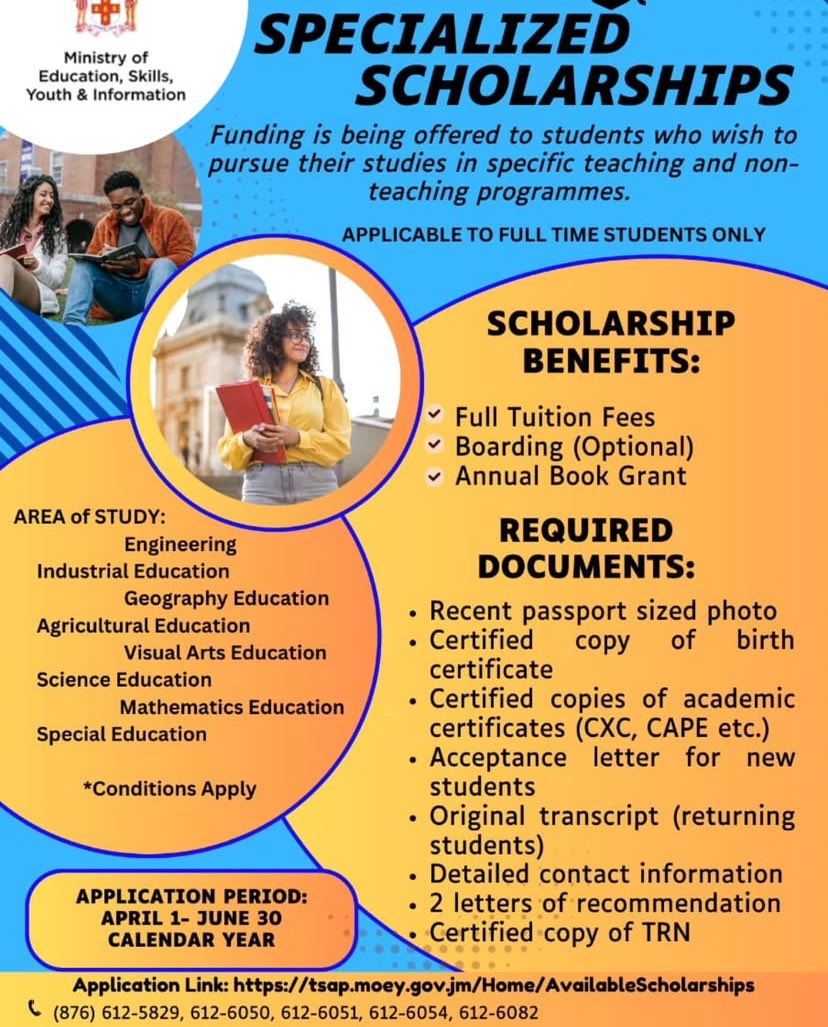
TSAP (Tertiary Students’ Assistance Programme)
TSAP is one of the most important Jamaica-based portals to monitor for scholarships and funding support. TSAP publishes a clear annual application window and advises students to submit even if they are still awaiting some school letters (while uploading all other documents). Tertiary Assistance
Winning tip: Apply early in the window and upload everything you already have—many students wait until the last week and get stuck.
UWI Mona – Office of Student Financing (OSF)
If you are (or plan to be) a UWI Mona student, OSF is a major source of medical scholarships, especially for the Faculty of Medical Sciences. OSF provides award pages with eligibility, GPA requirements, and selection criteria. Mona Campus
Example: the Dr. Merle Grant Scholarship page outlines eligibility (MBBS years), minimum GPA, and financial need criteria. Mona Campus
OSF also lists medical awards like the UWIDEF – Faculty of Medical Sciences Bursary, including level requirements and award value. Mona Campus
Winning tip: UWI OSF notes that most donors expect a GPA around 3.0 (some higher; some lower), so plan your academic strategy early. Mona Campus
UTech Jamaica – Scholarships & Bursaries
UTech’s scholarship pages confirm scholarships/bursaries are awarded annually (mainly for Jamaican nationals) and include listings by level and by subject area. University of Technology
UTech also publishes scholarship listings (including nursing-related awards) in downloadable formats. University of Technology, Jamaica
Winning tip: If you’re in nursing or another health track, use UTech’s “by subject area” listings to find awards that match your programme directly. University of Technology, Jamaica
Ministry of Finance – STEM scholarships (health-adjacent options)
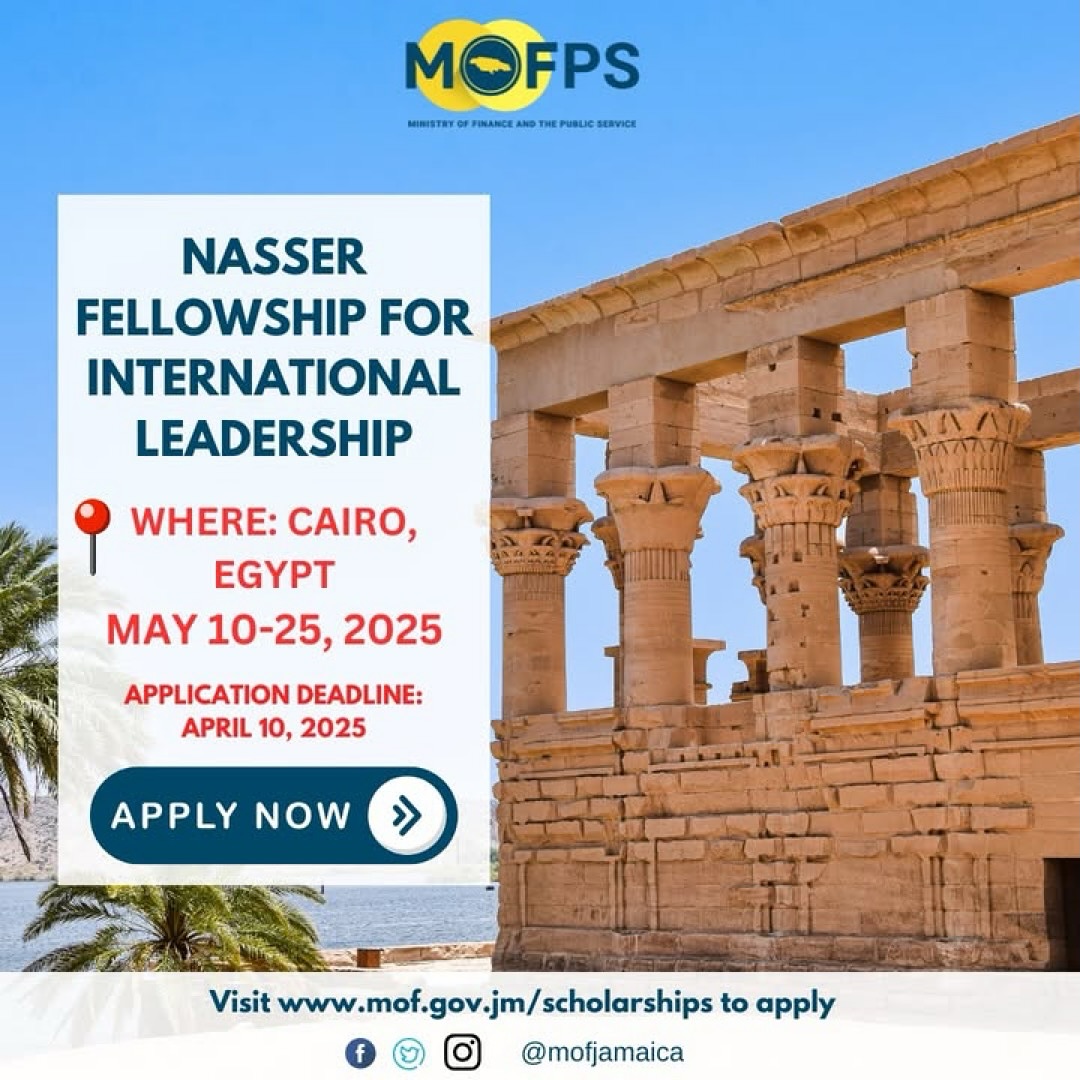
Some students miss scholarships because they assume “STEM” isn’t medical. The Ministry of Finance and the Public Service lists a government STEM scholarship programme and explains its purpose and partnerships. Ministry of Finance & Public Service
This can be relevant if your health pathway overlaps with STEM (biomedical tech, health informatics, lab sciences, etc.).
2) Build a “scholarship-ready” medical profile
Scholarship committees want confidence that you’ll succeed in training and give back to Jamaica’s health system. Your profile should show:
Strong academic performance (but targeted)
Many medical scholarships are competitive. UWI’s OSF pages and scholarship guidance repeatedly emphasize GPA expectations for many awards. Mona Campus
If your GPA isn’t perfect, you can still compete by:
- applying for bursaries/need-based awards where GPA thresholds are lower (when available)
- showing improvement trends (e.g., 2.8 → 3.3)
- strengthening the rest of your profile (service + leadership + purpose)
Verified financial need (when required)
Some awards explicitly include “verifiable financial need” as a selection criterion (example: Dr. Merle Grant Scholarship). Mona Campus
Prepare documentation (TRN, household income proof, letter from community leader/JP if requested, etc.) so you’re not scrambling last minute.
Healthcare service & community involvement
For medical scholarships, service is not optional—it’s often a deciding factor. Make sure your service has:
- consistency (monthly/weekly involvement over time)
- relevance (health fairs, clinic support, Red Cross, tutoring sciences, elderly support, health education)
- proof (letters, logs, supervisor contact)
3) Write a medical scholarship essay that doesn’t sound generic
Most applicants lose points because their essay could be copied and pasted by anyone. Your essay should answer three questions clearly:
- Why medicine/healthcare?
- Why you (proof of commitment)?
- How will Jamaica benefit (impact plan)?
A strong structure that works for medical scholarships:
Origin → Exposure → Action → Growth → Future Impact
- Origin: What sparked your interest?
- Exposure: What did you see in your community or clinical setting?
- Action: What did you do about it (service, leadership, projects)?
- Growth: What skills/values did you develop?
- Impact: What specialty/field and how you’ll serve Jamaica long term?
Pro move: Use numbers (patients reached, hours volunteered, sessions delivered). This makes your story credible.
4) Apply early and apply broadly (but strategically)
Most students apply to 1–2 scholarships and hope for the best. Winning students apply to 8–15 medical scholarships across multiple buckets:
- Government/Ministry programmes (MOHW, TSAP, STEM where eligible) Ministry of Health & Wellness
- University scholarships/bursaries (UWI OSF, UTech Student Financing) Mona Campus
- Faculty/medical-specific awards (UWI Faculty of Medical Sciences awards like Merle Grant; UWIDEF medical bursaries) Mona Campus
- Private donors & alumni scholarships (often found through university listings, alumni networks, and official scholarship PDFs) University of Technology, Jamaica
Watch deadlines like a hawk
TSAP posts a clear funding window (April 1 to June 30 on the portal page). Tertiary Assistance
For MOHW scholarships, official announcements show specific opening dates and application instructions. Ministry of Health & Wellness
5) Use a “medical scholarship checklist” so you don’t get disqualified
Many strong students get rejected for missing documents.
Core documents to keep ready (save as PDFs):
- TRN + government ID
- acceptance letter / proof of registration
- transcripts (most recent)
- tuition/status letter (or upload later if allowed—TSAP encourages submission even while awaiting some letters) Tertiary Assistance
- two references (academic + character/community)
- personal statement (editable master version)
- service verification letter(s)
- budget summary (tuition + books + transport + living costs)
Pro move: Create one folder per scholarship and name files consistently:LastName_FirstName_Transcript.pdf, ..._Reference1.pdf, etc.
6) Make your application “easy to approve”
Think like a reviewer: they’re reading hundreds of applications. Make yours simple:
- clear headings in your essay
- bullet points for achievements and service
- one-page CV (clean formatting)
- documents uploaded in the right category
- eligibility matched exactly (age, programme year, campus, GPA)
For example, UWI’s Dr. Merle Grant Scholarship page specifies age range, faculty, programme (MBBS), year level, and minimum GPA—if you don’t match, don’t apply. Mona Campus
7) Add a 2026 edge: show “health impact + modern skills”
Health scholarship committees increasingly value students who can strengthen systems. Add credible modern skills such as:
- data literacy (basic Excel, reporting)
- health education content creation
- patient communication and cultural competence
- research participation (poster, small study, literature review)
Pair this with community service and your profile becomes “fundable.”
Conclusion: The formula to win more medical scholarships in Jamaica for 2026
To win more medical scholarships in Jamaica for 2026, do three things consistently:
- Apply through the right platforms (MOHW programmes, TSAP, UWI OSF, UTech financing pages, and STEM options where relevant). Ministry of Finance & Public Service
- Build a credible medical profile (academics + verified service + leadership + clear purpose). Mona Campus
- Execute the process better than most people (apply early, submit complete documents, tailor essays to each award, track deadlines).
If you want, tell me your track (MBBS, Nursing, Pharmacy, Public Health, Medical Lab, Radiography/Imaging, etc.) and your school (UWI/UTech/other), and I’ll create:
- a 2026 shortlist of best-fit medical scholarships,
- a ready-to-upload document checklist, and
- a personal statement template that matches the awards you qualify for.






Comments are closed